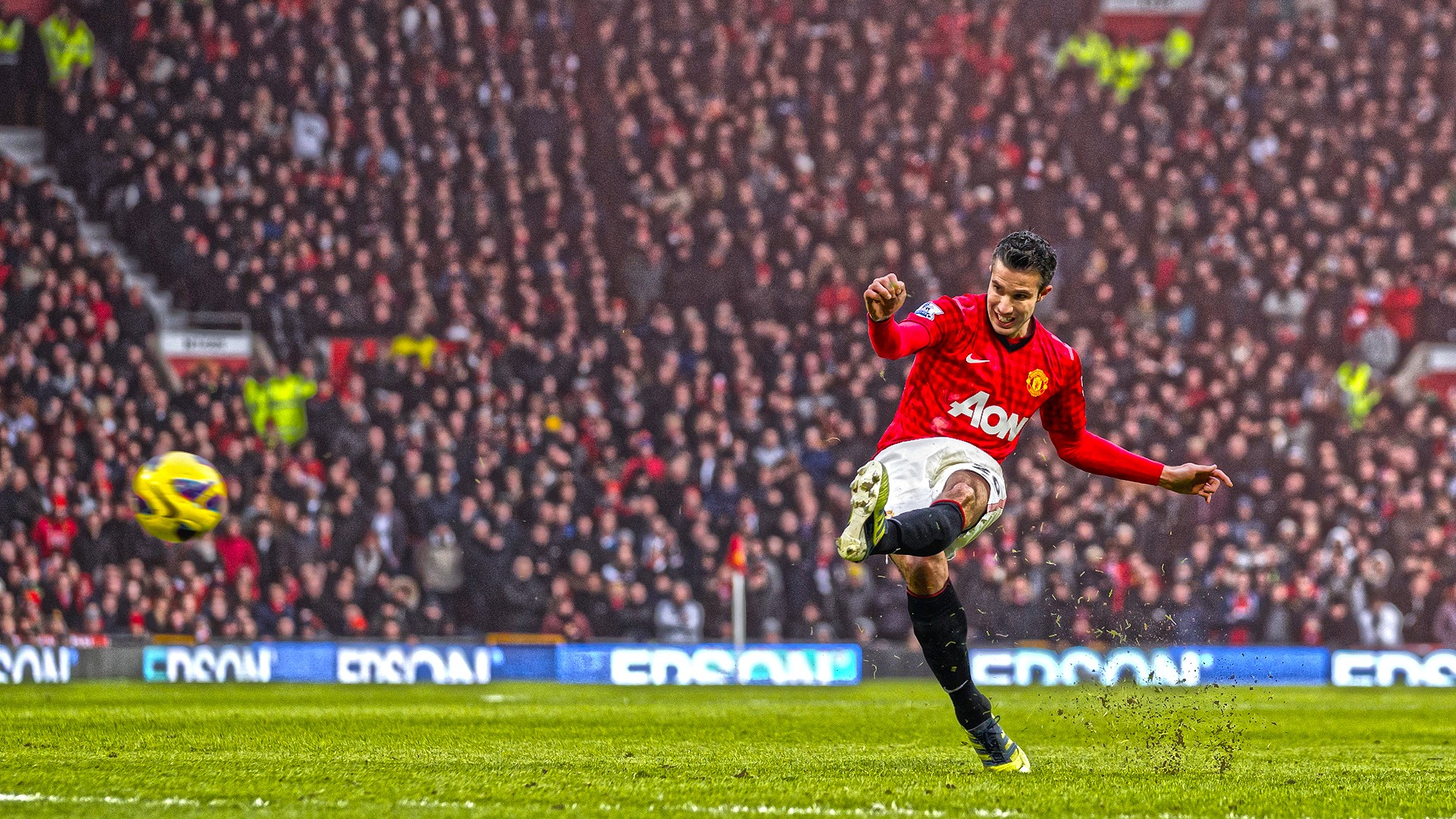
In the vibrant world of football, every day brings its share of action and passion. One of the key aspects of a team's success is the role of playtime, particularly for young players like Wu Xinghan. This article explores Wu Xinghan's role within Shandong Taishan Football Club, focusing on his training schedule, the impact of playtime on his performance, and the strategies employed during this crucial phase.
**Game Analysis**
Wu Xinghan's playtime is a cornerstone of his football career, significantly influencing his development and the overall team's performance. His role in this context can be understood through the structured training schedule, which includes various stages, from warm-ups to critical matches. The duration and intensity of playtime are essential in building mental resilience and fostering teamwork.
During playtime, the team engages in dynamic encounters, where players must adapt to pressure, whether at crucial moments in games or during training sessions. These encounters not only enhance the team's physical endurance but also develop their mental fortitude. For instance, high-pressure situations require quick thinking and decisive action, which are crucial for a footballer's success.
The impact of playtime extends beyond the immediate game. It equips players with the skills necessary to handle various playing styles and maintain composure under pressure. This mindset is vital for both the team's cohesion and individual performance, ensuring that every minute of play contributes to the team's overall success.
In conclusion, Wu Xinghan's playtime plays a pivotal role in shaping his potential and the team's trajectory. His dedication to this aspect of his training is evident in his ability to adapt and perform at his best, making him a vital asset to the Shandong Taishan Football Club.